
“Audience Participation” by Edmund Fines— Our June 2026 Silver Medal Winner
Edmund is our second place winner from the contest posted in our June 2026 issue!
What the judges had to say:
“Well-done. Captures the emptiness of a culture that’s gutting its own humanity.”
“I found the concept behind this story an interesting one...”
“I liked description of the invisibles - I read it as a social commentary on present-day audiences and venues.”
Meet Edmund
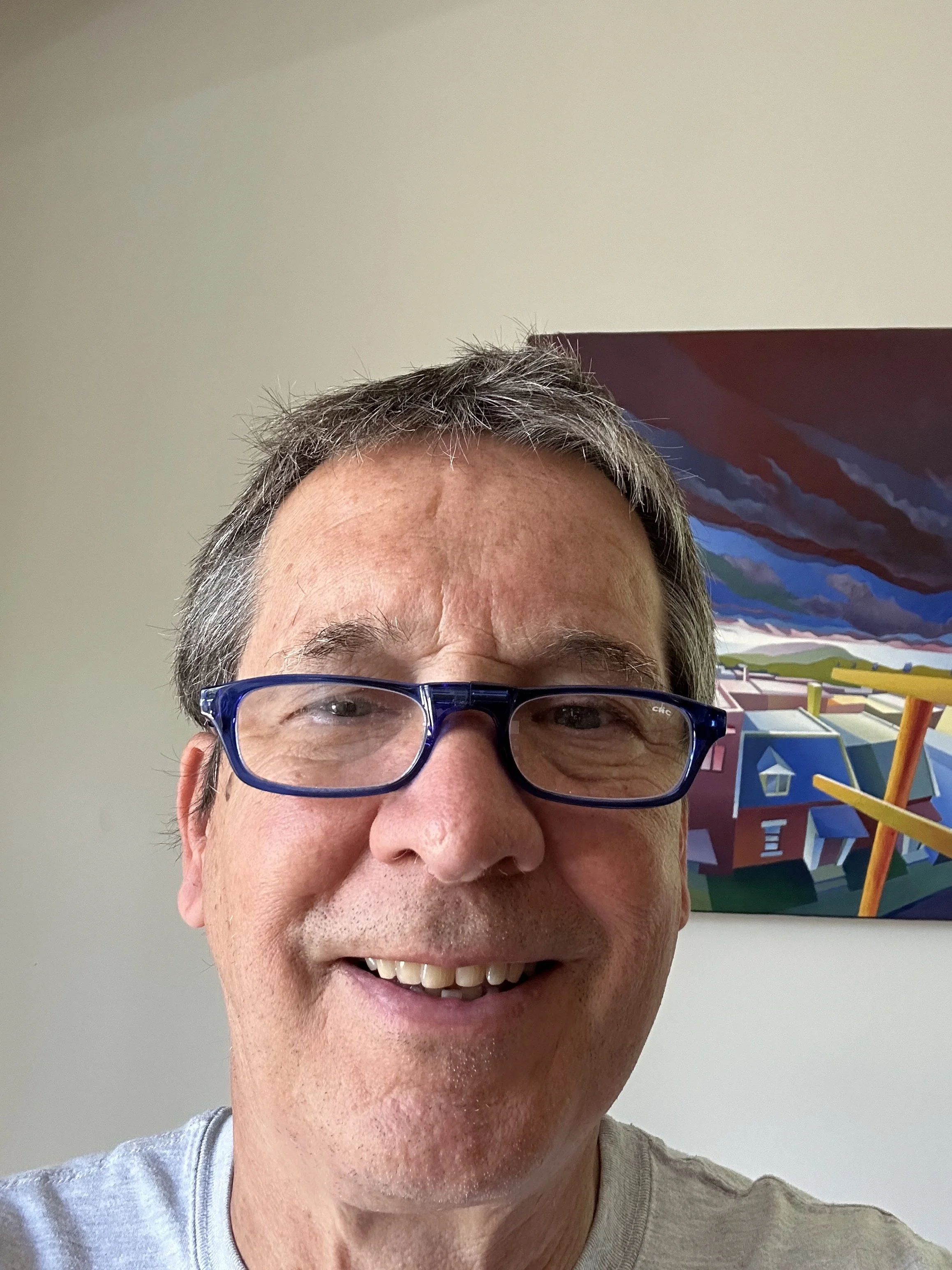
Edmund FInes is an IT professional living in Toronto with his wife, daughter, and a pug he suspects may be part otter. He recently earned his certificate in creative writing from the School of Continuing Studies at the University of Toronto. He has had short stories published with Zoetic Press, Smoking Pen Press, Shoreline of Infinity, and others. He took first prize in the 2023 Polar Expressions short story contest.
Audience Participation
the unedited story by Edmund Fines
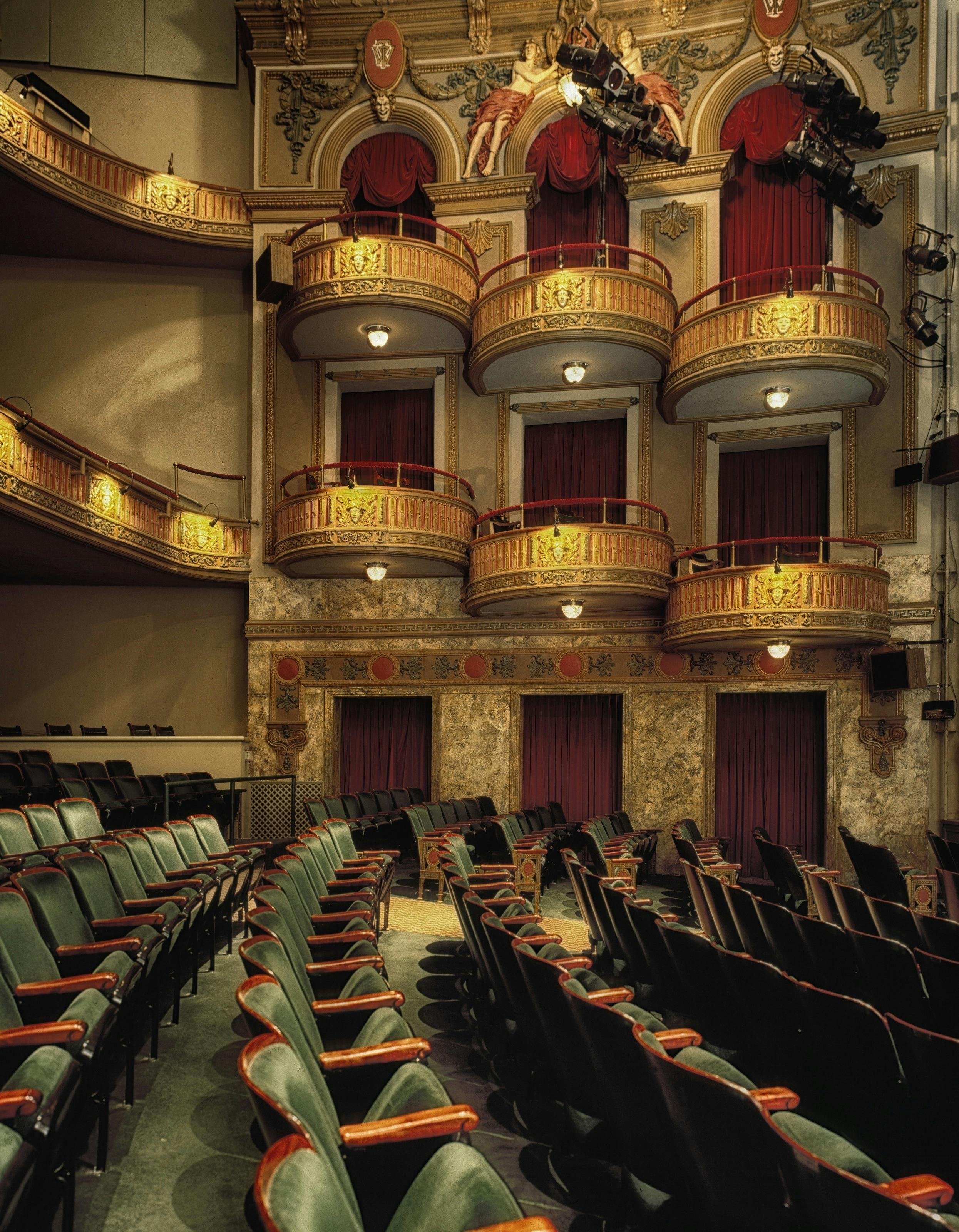
The vintage concert hall was intricately ornate with seven hundred finely upholstered seats spread over three levels. A dozen private balconies hung on the side walls for the well-to-do and their companions. The acoustics were fabulous. No matter where I sat during the soundcheck, the music was perfectly blended, beautifully balanced. The theatre manager had told me my show was sold out. I’d have to take his word for it.
In the old days, when my audiences were different, I’d often stand in the wings before showtime and listen to the crowd murmur in anticipation. But tonight, there was no point in making them wait. There was no point in a lot of things these days. Showmanship had been reduced to pure mechanics. Friendly banter between tunes was a waste of time. Nobody ever bought any merch. All they wanted was the music and they wanted it live.
At precisely eight o'clock, I stepped out onto the stage, took my place behind the mic, and opened my set with a raucous acoustic guitar version of ‘Sweet Caroline,’ the old Neil Diamond nugget.
The invisible audience was polite and respectful, they always were. No coughing. No cell phones. No crinkly candy wrappers. No latecomers. But nobody danced or sang along. Nobody rushed the stage or yelled out requests. And nobody clapped.
After almost two hours, I finished my set, shifted my guitar to the side, and looked out at the seemingly empty room. I hadn’t thrown myself into my performance with the wild abandon I might have mustered in the past, but thought I’d put on a decent high energy show.
“Thanks for coming out on a rainy night.”
Fifteen seconds passed. It seemed an eternity.
Finally, a green light appeared in the second row. Then another in the fifth. And then several others. And then the entire hall was a sea of emerald green, even in the upper levels and on the private balconies. It was the invisibles’ version of a standing ovation.
“Thank you,” I said, taking a bow. “You’ve been wonderful.”
The green glow flickered, slowly at first, but then picked up speed. My audience wanted an encore.
I gave them two, a Bob Dylan and then a Springsteen.
Another sea of twinkling green.
I considered playing ‘I Love A Rainy Night’ as a third and final encore, but the house lights came on. I squinted and lifted a hand over my eyes. Eddie Rabbitt’s golden oldie would have to wait for another time. You always had to leave them wanting more.
“Goodnight, everybody. Stay safe.” And then against my better judgement, “I’ll see you next time.”
I lowered my guitar into its black case, snapped the lid closed, and carried it toward stage left where the balding middle-aged theatre manager waited.
“Great show, Bobby” He slapped my shoulder. “You absolutely killed it. Nobody can score the green lights like you do. Nobody.”
It was nice to hear him say it, even though I suspected the unctuous bastard probably spouted the same line to all his concert hall performers.
He ran a hand through his combover then held out his phone. “There’s a little something extra in there for you.”
I was surprised. “Thanks.”
“Call it a bonus. You did good tonight, really good.”
I tapped my phone against his to receive my payment.
“When’s your next gig?”
I shrugged. “Not sure.”
“Don’t sit on the sidelines for too long, Bobby, or you’ll soon be forgotten and wind up working for peanuts playing weddings and the occasional bar mitzvah.”
I laughed. “Let us rejoice.”
“Say, are you looking for an agent?”
I ignored the question. He’d be the last guy I’d want to represent me. “I miss playing for people I can see, people who aren’t afraid to show their appreciation for my art. Is that too much to ask?”
“Yeah, yeah,” he said. “Performers like to feed off their audience. I hear it all the time and I get it. But it’s not like it was, not anymore. You gotta give the people what they want. They’re under no obligation to give you anything in return.”
“It would be nice to see them dance, hear them hoot and holler, see that they’re—“
“Listen, you ain’t Tom Jones, and this ain’t the 1970s. Today’s invisible crowds aren’t about to toss their underwear at you.”
“Do they even own underwear?” Many had suggested the invisibles walked around naked. Nobody knew for sure.
“Tsk.” He brought a finger to his lips.
The walls had ears, at least he thought so.
He turned, raised a hand, and strode toward his office. “Goodnight, Bobby. Don’t spend it all in one place.”
The westbound subway wasn’t at all crowded. I grabbed a seat in an empty car, and rested my upright guitar case on the floor between my knees. The bell rang. The doors closed. A garbled announcement mentioned something about track repair work scheduled for the following day.
I’d recently been working on a new song, an original ballad, and hummed the chorus as the train lumbered down the tracks.
A green light appeared over the empty bench seat across the aisle.
The invisibles were everywhere. I stared in this one’s direction.
The light flickered. It wanted me to continue humming.
I lifted my guitar case onto the seat beside me and undid the snaps.
The light flickered faster.
It was time for Eddie Rabbitt. Like him, I loved a rainy night.
Nobody knew how long the invisibles had been living among us or why they had come. It had been almost twenty years since they’d made themselves known. Somewhere along the way, they injected themselves into the world economy, amassed great wealth, and bought up all the premier concert venues. They weren’t so bad and loved a live show. I just wished they’d clap once in a while.
Use the comment form below to let Edmund know what you thought of his story.